New Ford F-150 for Sale in Hightstown, NJ



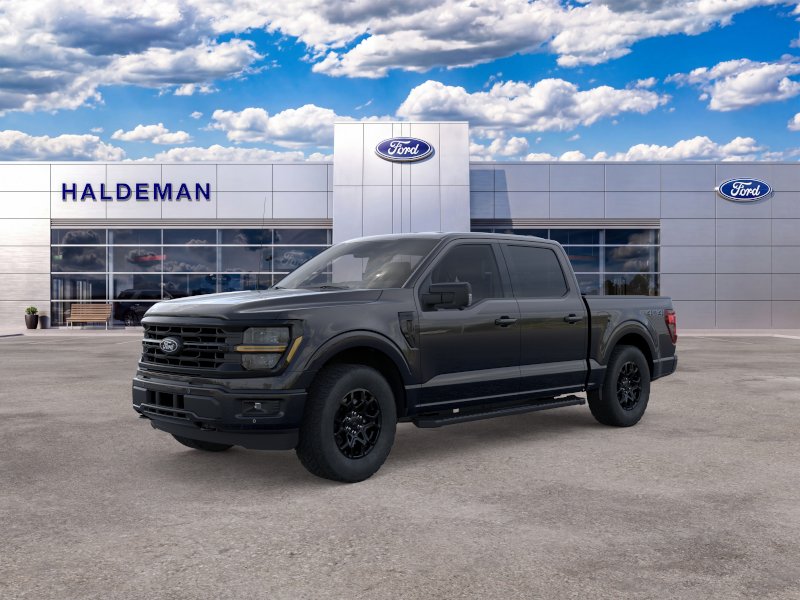
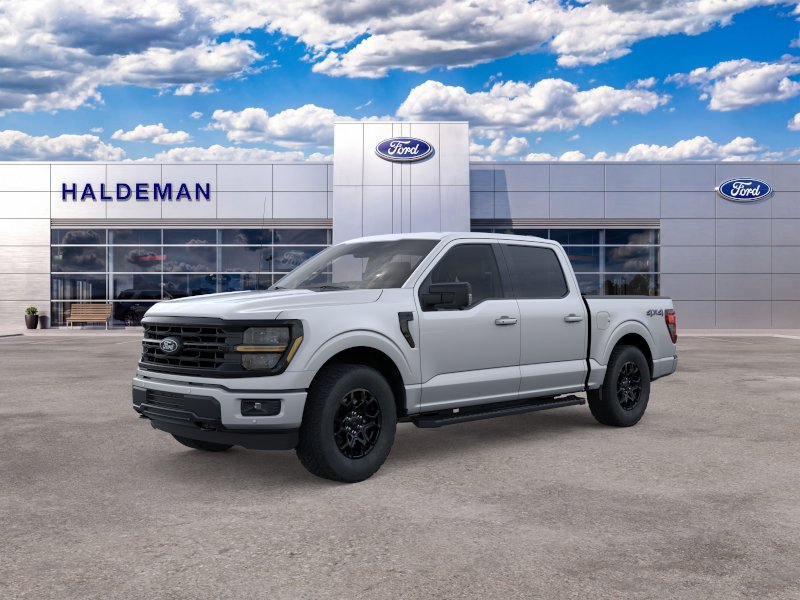
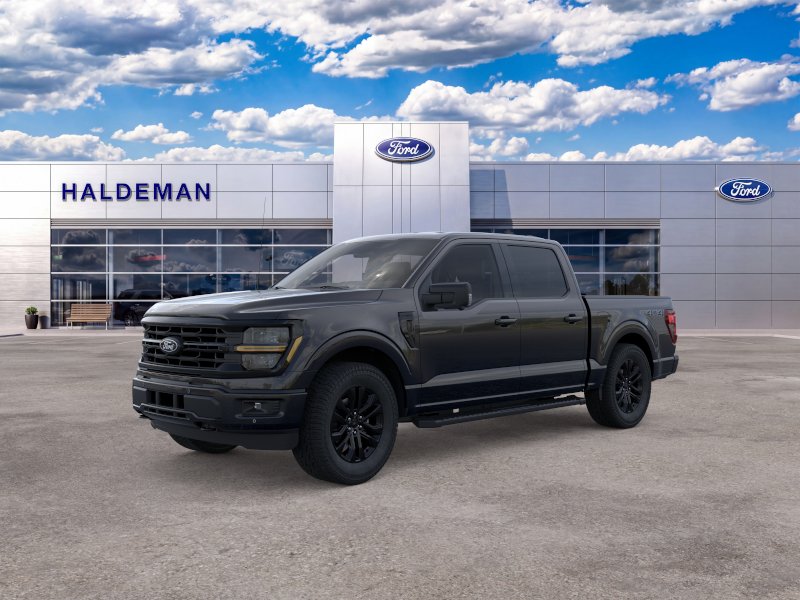
Frequently Asked Questions About New Ford F-150 in Hightstown, NJ
Which bed length makes sense for a landscaping or building business?
If something longer than a standard bed rides back there most days, the long bed earns its place, and your advisor can show which cab styles pair with it. Crew cab buyers who need a back seat and extra length at once often add a ladder rack or tow a small trailer. Our sales staff can measure your usual loads against each bed before you decide.
How do I choose between the extended cab and the crew cab?
Picture the loading routine first: the extended cab's rear-hinged doors open only after the front door does, which gets awkward in a tight parking spot, while crew cab rear doors open on their own. If adults ride in back for more than a short hop, most crews end up happier in the crew cab.
Does using an F-150 for business change how I should equip it?
Usually it means leaning toward durable floors and seats, a hitch package and bed protection, with fewer comfort extras that get scuffed on a job site. Owners who also drive the truck on weekends often split the difference with a mid-level build that has easy-clean floors and a nicer cab.
When does a contractor need a Super Duty over an F-150?
If the trailer or bed load you handle each week sits near the F-150's published limits, a Super Duty is the safer conversation. For mowers, compact equipment trailers and typical building materials, most crews find the half-ton handles the job and is easier to park at residential sites. Comparing the ratings on specific trucks against your actual loads is part of the visit.
Can a new F-150 be ordered with the work equipment a landscaping crew needs?
Yes, a factory order lets you choose the cab, bed, drive system, hitch hardware and work-friendly interior pieces together. Ordering takes longer than buying from stock, so landscapers often place the order over the winter to have the truck in hand before spring.
Have Additional Questions?
Describe the job site before naming a truck: the ground, the gate, the loads and how the crew gets there each morning.
A sod field after rain, a cramped suburban cul-de-sac or a gravel yard stacked with pallets each point toward a different cab, bed and drive setup.
A phone photo of the trailer, the mower or the stack you carry most often gives our truck staff a head start on the builds worth showing you.
Contractors, Landscapers and the Farm Gate
A half-ton Ford F-150 earns its keep differently depending on who owns it. A framing contractor wants a cab that seats carpenters and a bed that swallows a compressor, nail guns and a stack of joists. A landscaper looks at the hitch first, because a mower trailer rides behind the truck from early spring into late fall. A farm family needs a pickup that shrugs off a muddy lane and still looks presentable on Sunday.
Those are three different trucks wearing the same badge. The F-150 lineup stretches wide enough to cover all of them, from a plain work build with flooring that hoses out up to a leather-lined cab a business owner can drive to a client meeting. Start from the work and the cab, bed and drive setup tend to follow from it almost on their own.
- Mason crews often prefer a longer bed so wheelbarrows, mortar tubs and bagged mix can ride together with nothing hanging past the tailgate
- Lawn-care outfits often add a lockable bed toolbox for trimmers, blowers and fuel cans, leaving the rest of the floor open for brush and clippings
- Farm owners who share one pickup with a spouse or grown kids tend to lean toward a crew cab, since chores and family errands end up in the same seat
Four-wheel drive deserves a thought for anyone who parks on soft ground. A rear-drive F-150 is at home on paved job sites, but a sod field after a soaking rain or a barnyard in early spring is where the extra traction keeps a loaded truck moving forward.
Every one of those owners calls the F-150 a work truck, and each means something different by it. Naming your kind of work narrows the lot faster than anything else.
Seats Up Front, Lumber Out Back
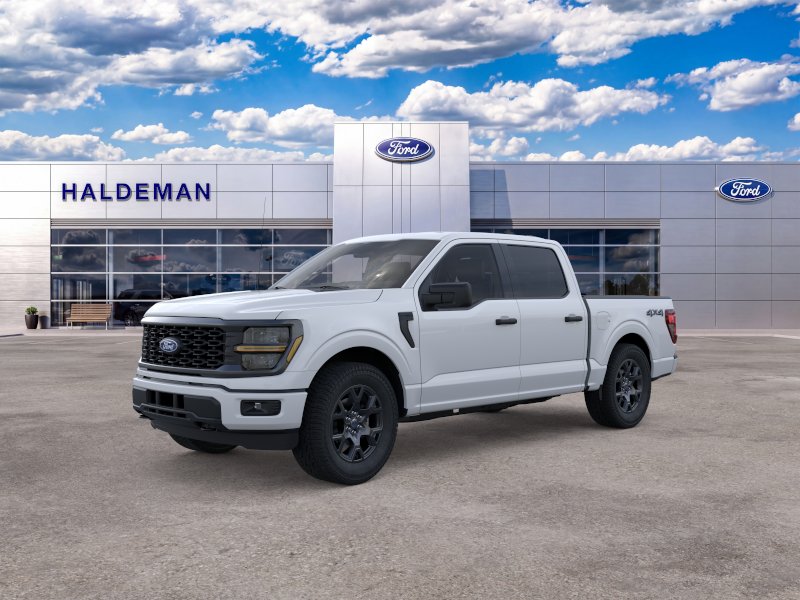
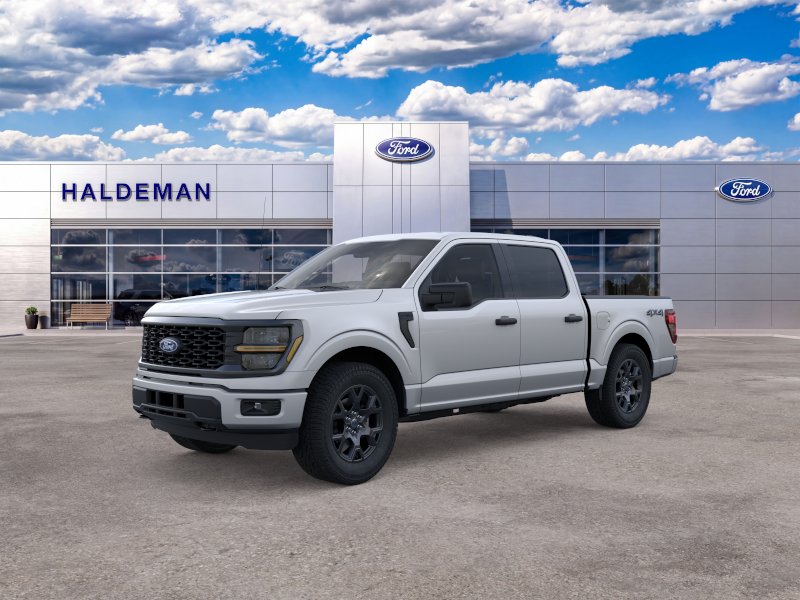
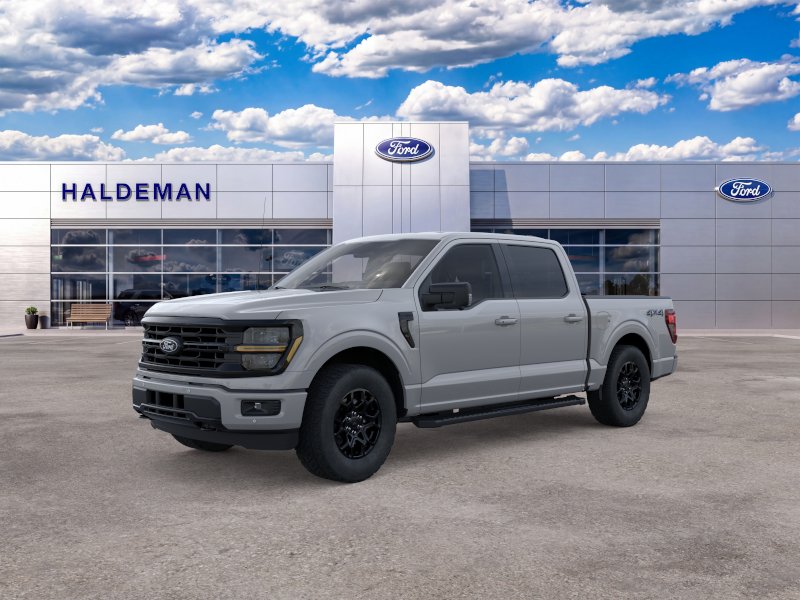
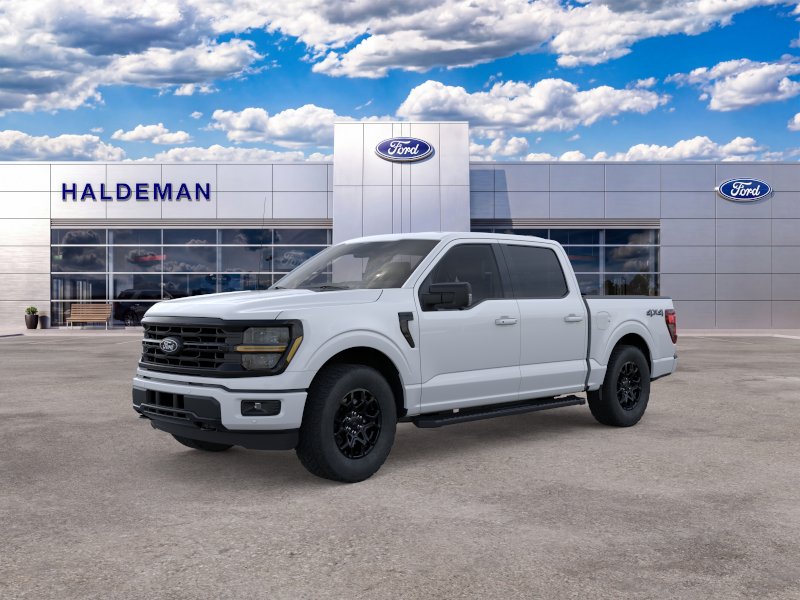
Ford builds the F-150 with a regular cab, an extended cab and a full crew cab, then pairs them with short, standard and long beds, though not every cab comes with every bed. The regular cab with the long bed is the classic contractor layout. It keeps the cab tight and hands the bed the most room for plywood, conduit and long trim boards.
A crew cab gives up some bed length for a back seat adults can stretch out in, which matters when a landscaping foreman shuttles a crew between properties all day. The extended cab sits in between, with smaller rear doors and a back bench suited to a helper on short hops, a tool bag or a lunch cooler that should stay out of the weather.
- Measure the longest thing you haul in a normal week, whether that is an extension ladder, a bundle of fence rails or rolled turf, before settling on a bed
- Pairing the crew cab with the shorter bed keeps the truck easier to swing into tight residential driveways and the narrow lanes between farm fields
- Lockable storage under the rear seat on some crew cab builds keeps hand tools and a laptop out of sight when the truck sits at a job site overnight
Inventory at Haldeman Ford of East Windsor shifts with what trade buyers are ordering, so some pairings sit on the lot and others are easier to get through a factory order. Plain long-bed work trucks are often stocked in smaller numbers than crew cabs, so mention early if that is the layout your business needs.
Cab and bed are the two choices you cannot change after delivery. Nearly everything else on a work truck can be added, swapped or upgraded down the line.
Cranbury Farm Fields and the Route 130 Supply Run
Drive past the preserved farmland around Cranbury and you will spot pickups parked at field edges, beside equipment barns and outside nursery greenhouses. Growers haul seed, hay bales, fence posts and irrigation pipe, often over gravel and dirt between plots. A full-size half-ton that pairs four-wheel drive with a tough bed suits that rhythm better than a smaller truck that runs out of room on the first trip.
Route 130 ties much of that work together. Contractors pick up lumber, pipe and bagged mulch from supply yards along the corridor, then cut across to job sites in neighboring townships before lunch. A truck that takes a forklift load quickly and keeps its bed organized makes those runs shorter and saves a crew from restacking material at every stop.
- A spray-in bed liner stands up to the gouges left when forklift tines slide a pallet of pavers or bagged stone across the floor of the bed
- Mud flaps and an underbody rinse after harvest help keep field grit and fertilizer residue from working into brake lines and frame joints
- Growers moving between scattered plots often add a ladder rack so irrigation pipe and long stakes ride above the roof and clear of the rear window
On many local farms the F-150 serves as the road truck while older equipment stays behind the barn, so the pickup handles errands into town, parts runs and feed store trips. Our sales staff can point out which builds on the lot carry the hardware those errands call for, such as tow hooks, skid plates and a hitch receiver.
Farm country and a busy supply corridor ask a lot of one pickup in a single day. The F-150 was designed around that mix of field and pavement.
Retiring the Old Work Truck Between Seasons
Landscapers and builders rarely get a slow week to shop, so trading a worn pickup has to fit around the work. Haldeman Ford of East Windsor can appraise your current truck when you come by for a test drive, scuffed bedsides and all, and line up the paperwork so the new F-150 is ready the day the old one comes off the job. Equipment you plan to keep, like a crossover toolbox or a ladder rack, can come off before the handoff.
Financing a work truck follows the same basics as any vehicle, though business owners sometimes want the pickup titled to the company. Our finance office can explain the options for personal and business purchases and which documents each one asks for, so you can talk it over with your accountant before signing anything.
- Maintenance records for the outgoing truck matter, since a documented history of oil changes and brake jobs can lift an appraisal more than a fresh wash
- Fleet owners replacing several pickups at once can ask about staggering deliveries so no crew loses its working truck during the busy months
- With a loan still open on the outgoing pickup, have the lender name and account details handy, and the payoff gets folded into that same visit
Timing matters more for a working truck than for a family car. Trading in late fall or winter, when lawns and job sites slow down, leaves room to put the first miles on the new truck, add a bed liner and move racks over before the spring rush begins.
A trade that lands between seasons keeps the business moving. The old truck finishes its last job and the new one starts the next morning.
Off-Season Service Before the Spring Rush
A truck that pulls a mower trailer nearly every day wears brakes, tires and suspension parts faster than a commuter does. Ford covers that kind of hard use with its own maintenance intervals in the owner's guide, and our service advisors at Haldeman Ford of East Windsor can book oil changes and inspections into the slow weeks so they stay clear of the busy ones.
Winter is the natural time for a deeper look. Technicians can check the hitch, trailer wiring, brake wear and suspension bushings while the truck sits idle more than usual, then catch small problems before the first big week of planting, mowing or framing.
- Book tire rotations alongside those visits, because a pickup that runs loaded at one end and empty at the other wears its tread unevenly
- Ask what transportation options exist while the truck is in the shop, since a contractor without a pickup for a day loses more than a commuter does
- Washing road salt and field mud off the frame after a long winter slows the rust that ages a hardworking pickup well before its time
Owners who run a few F-150s as a small fleet can ask about grouping their trucks into one appointment block. Keeping those service records together also makes the next replacement decision easier, because you can see at a glance which truck has worked hardest.
A half-ton serviced in the quiet months is ready when crews, mowers and planting schedules all start at once. That timing is what keeps a working F-150 earning its keep all year.
Haldeman Ford of East Windsor keeps working F-150s on hand for crews, growers and builders around Hightstown. Describe the job site when you stop in, and our sales staff will narrow the cab and bed combinations to the few that match it.