New Ford Ranger for Sale in Hightstown, NJ
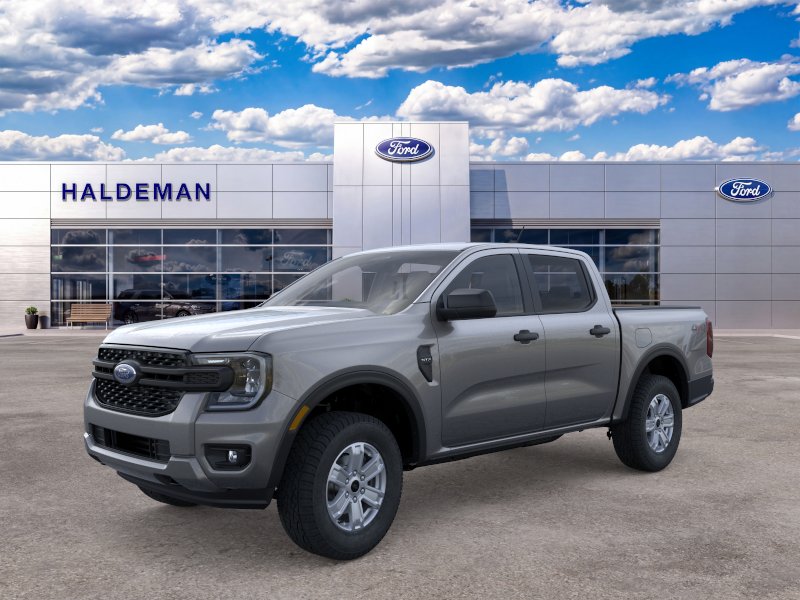
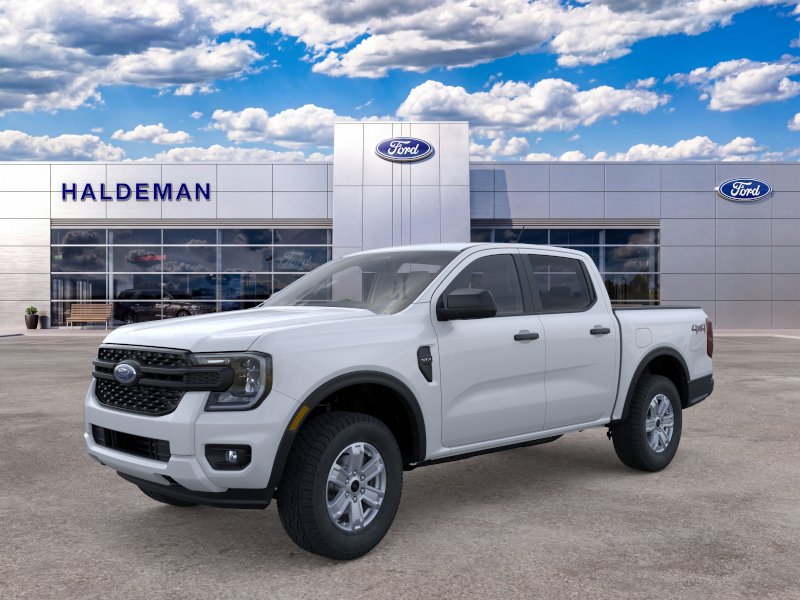
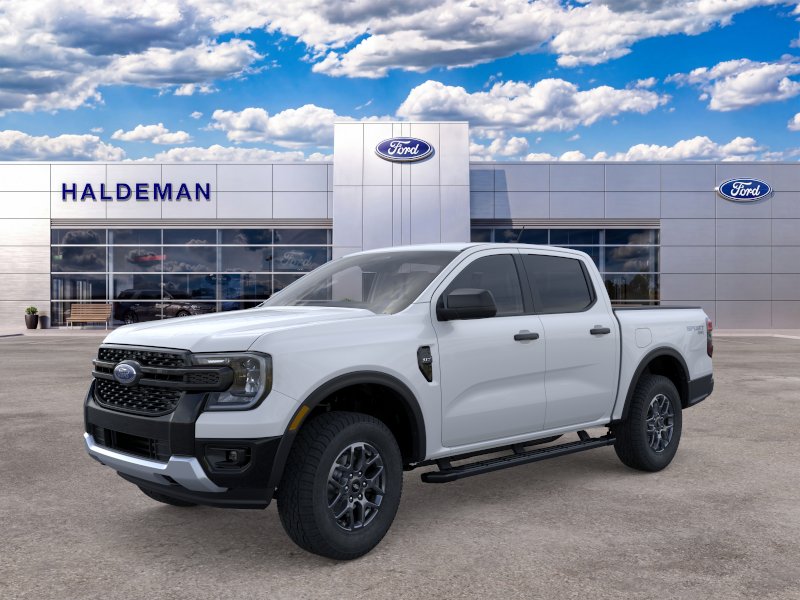
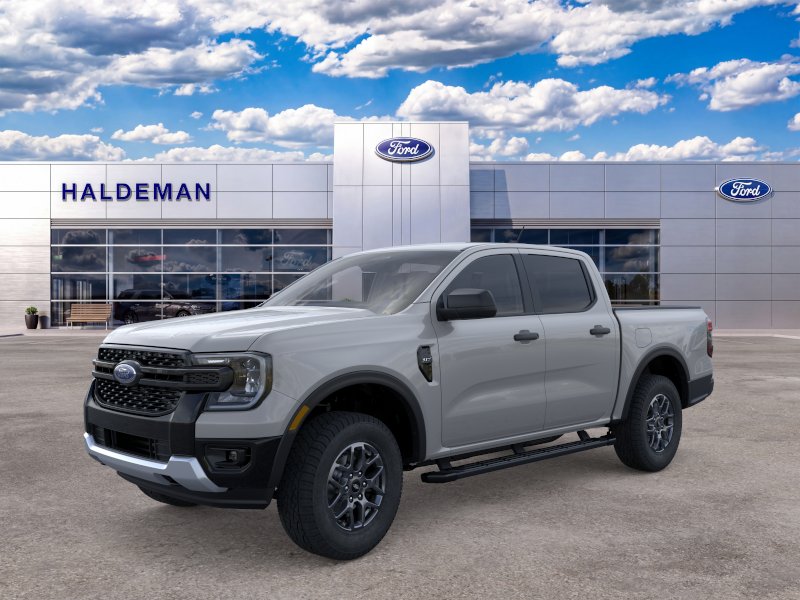


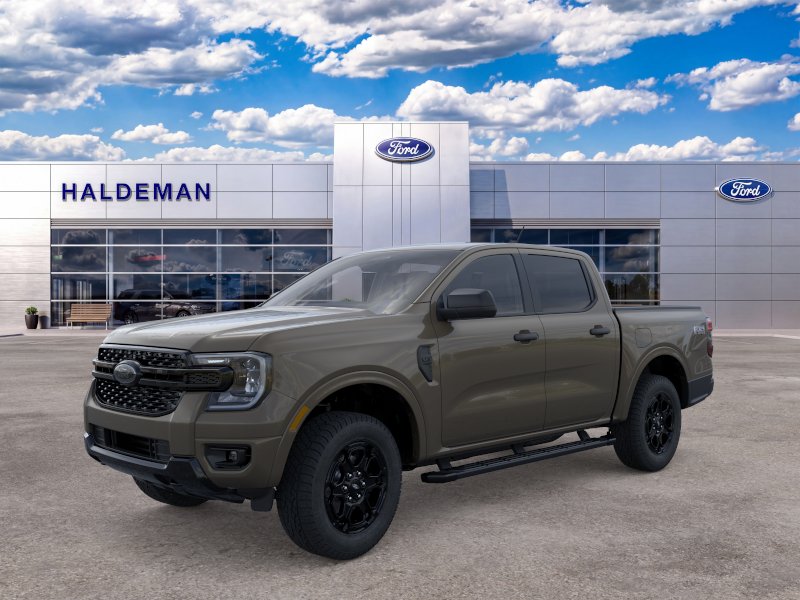
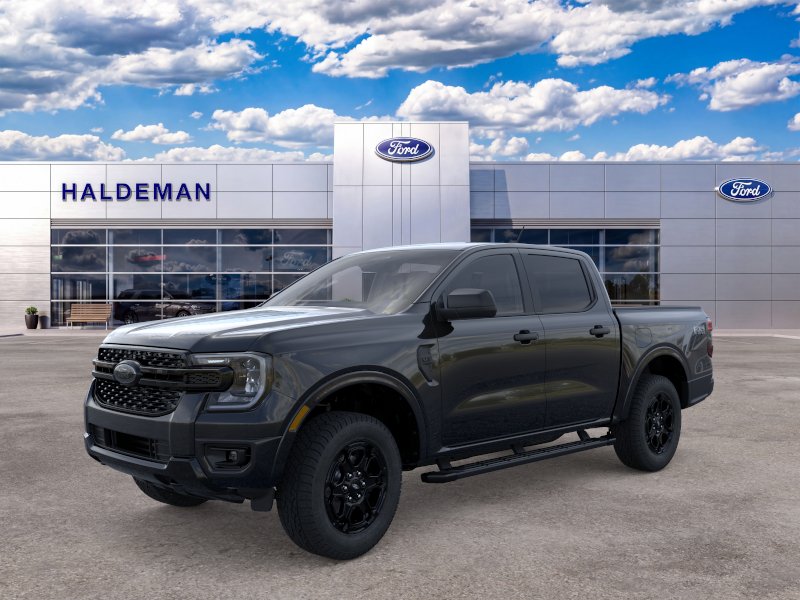
Frequently Asked Questions About New Ford Ranger in Hightstown, NJ
Is the Ranger closer in size to the Maverick or the F-150?
On paper it falls between them, and in a parking lot it handles more like a midsize SUV than a full-size pickup. The deciding factor for most buyers is the trailer, since its loaded weight usually points clearly toward one truck or the other.
Can a Ranger pull a small boat every weekend?
Yes, a lightweight boat on a single-axle trailer is the kind of load a properly equipped Ranger handles routinely. Load the boat so a little more weight sits toward the trailer tongue, which helps keep the trailer from swaying at highway speeds.
How capable is the Ranger off-road?
Quite capable, provided the build has four-wheel drive and tires that suit the ground. Approach and departure angles improve on the off-road-focused builds, so ask our staff which Rangers on the lot carry that equipment.
Will a Ranger fit in my garage?
Usually, but measure the door opening height and the interior depth before buying, especially in an older home. Racks and bed toppers add height, so account for them if you plan to install one later.
Does a trail-ready Ranger still ride comfortably on the daily commute?
Builds with more aggressive tires and off-road suspension feel firmer and a bit noisier on pavement, though many drivers get used to it quickly. If you commute long distances on the highway and only hit trails a few times a season, a build with standard tires may suit you better.
Have Additional Questions?
What rides behind the truck shapes the Ranger more than any option sheet: the boat, the utility trailer or the camper, and how full it usually gets.
The loaded weight, the hitch ball size and whether the trailer has its own brakes are the details that shape which Ranger fits.
Trailer paperwork or a photo of the tongue and coupler answers most hitch questions before anyone walks the lot.
Jon Boats, Utility Trailers and Pop-Up Campers
A Ranger owner's weekend often starts at the hitch. A jon boat on a single-axle trailer, a utility trailer heaped with yard debris, a small pop-up camper, two personal watercraft sharing one trailer: those are the usual loads behind a midsize Ford pickup. The Ranger handles that class of trailer comfortably, then spends the week parked in the driveway at a size closer to an SUV.
Before buying, write down what you pull, including the trailer and everything loaded on it. Boat trailers carry fuel, coolers and gear that never show up in the brochure weight, and a camper fills up with water, food and bedding. Compare that loaded figure with the published rating on the specific Ranger you are considering, since ratings shift with cab, bed and equipment.
- A factory hitch receiver with built-in trailer wiring saves a trip to an aftermarket shop and keeps the connector tucked up and protected under the bumper
- Boat owners should test the trailer lights and brakes before each season, since a winter in storage is hard on connectors, bulbs and wiring
- Trailer sway control, which uses the truck's stability system to calm a wandering trailer, is a feature worth confirming on the build you choose
Backing a trailer is a skill, and the Ranger's size helps. Its narrower body leaves more room to see past the trailer in the mirrors, and its modest length makes it easier to square up at a crowded ramp, which new boat owners appreciate during their first few launches.
Most trailers people own fall within what a midsize truck pulls well. That is the Ranger's home territory.
Four-Wheel Drive for Sand, Ruts and Trailheads
When the paved parking area ends, a separate frame and available four-wheel drive start to matter on a Ranger. Sandy access roads, rutted fire lanes and a soft campground loop after a storm are the places a midsize pickup with good ground clearance keeps moving where a crossover would start to spin its tires.
Tire choice matters as much as the drive system. All-terrain tires grip better in sand and mud, while highway tires stay quieter on the commute, so weigh how many of its hours the truck will log on pavement before choosing. Ford also offers Ranger packages with skid plates and a locking rear differential for owners who head into rougher ground.
- Airing down the tires before soft sand and carrying a portable compressor to refill them afterward are common habits among weekend off-roaders
- Recovery points front and rear give a friend something solid to strap to if the truck bogs down in a muddy campground loop
- Learn the difference between the high and low four-wheel-drive settings on an easy dirt track before relying on them somewhere remote
Off-road weekends also wear a truck in ways commuting never does. Sand works into brake parts, branches scratch paint, and water crossings reach places that rarely get wet. Planning for that early, with mud flaps, a bed liner and rubber floor mats, keeps the truck in better shape for the next outing.
A Ranger set up for the trail stays comfortable enough for the weekday drive. That balance is why so many off-road weekends start in one.
Robbinsville and the I-195 Run Toward the Shore
For Ranger owners around Hightstown, many weekend trips start on I-195, picked up near Robbinsville and followed east toward the Shore. That stretch carries boat trailers, beach gear and fishing rods all summer, and a midsize Ranger blends into that traffic easily while still pulling a small boat steadily.
Back-bay fishing, a sandbar afternoon or a weekend at a campground near the coast all ask for the same things: a dependable hitch, room in the bed for coolers and rods, and enough traction for soft sand at the ramp. The Ranger's crew cab carries the family up front while the bed handles the wet and sandy gear.
- Pack a set of wheel chocks and a spare trailer tire, because roadside help can take a long time to arrive on a crowded summer highway
- Eastbound traffic on a summer Friday can be heavy, so load the bed and hitch the trailer the night before and leave early from Robbinsville
- Rod holders mounted along the bed rails keep long rods off the cab floor and clear of passengers on the drive down to the inlet
Closer to home, Robbinsville neighborhoods tend to have garages built with SUVs in mind, and the Ranger slips into those spaces more easily than a full-size pickup. That makes it practical as a daily driver during the week, then ready to hitch up again on Friday evening.
The road to the Shore is part of the Ranger story here. A truck that tows comfortably on the highway and fits back into a suburban garage covers both ends of the trip.
Sized Between the Maverick and the F-150
Among Ford pickups, the Ranger is the midsize option. The Maverick is smaller and built on a unibody platform for town errands and light projects, while the F-150 is a full-size truck for heavier work. The Ranger keeps a traditional frame and genuine towing ability yet stays narrower and shorter than its full-size sibling.
Parking is where the middle size pays off daily. A Ranger fits standard spaces at the office, leaves room to open the doors in a parking deck, and turns around in a cul-de-sac more easily than a full-size truck, which makes it a practical vehicle for weekday duty.
- Climb into the back during your test drive, because rear legroom decides whether the Ranger works as a family vehicle
- Check how the bed height suits you when lifting coolers or bikes over the side, since a midsize bed sits lower and is easier to reach into
- Inventory shifts week to week, so if a particular color or package matters, our staff can check incoming trucks before you make the trip
Trade-ins run in both directions here. Some buyers step down from a full-size pickup they bought for a job that ended, and others step up from a smaller vehicle once a boat or camper arrives. Haldeman Ford of East Windsor appraises either one and applies the value to the new Ranger, and our finance staff can explain loan options in plain terms during the same visit.
Picking the middle size means paying attention to the trailer and the parking spot together. Get both right and the Ranger stays useful for years.
Trailer Connectors, Sandy Brakes and After-Trip Service
Towing a boat and crawling through sand both count as heavy use, and the Ranger's maintenance intervals tighten up to match. Book a post-season checkup with Haldeman Ford of East Windsor in early fall, once the boat is winterized, so fluids, brakes and suspension parts get looked at before the truck settles back into a commuting routine.
After a beach weekend or a muddy trail day, an underbody wash and a quick inspection go a long way. Technicians can look for packed sand around brakes, damaged skid plates and loose trailer wiring, and they can check the hitch receiver for corrosion that builds up after salty launches.
- Ask whether the service department can look over your trailer lights and hitch connection while the Ranger is in for routine work
- Rotate all-terrain tires on a regular schedule, since aggressive tread wears unevenly if it stays in one position too long
- Check the four-wheel-drive system before the first trip of the season, especially if it sat unused through a long stretch of commuting
Off-road accessories added after purchase, such as lift kits or oversized tires, can affect handling and warranty coverage, so talk with the service advisors before installing them. Ford-approved accessories from our parts counter are designed to work with the Ranger's systems.
Steady care between outings keeps a midsize truck on the trail and at the ramp for many seasons. Every towing weekend and trail day ahead depends on it.
Whatever rides on your hitch, the Ranger lineup at Haldeman Ford of East Windsor deserves a look against it. Our truck staff can pair the drive system and towing equipment to your trailer before your first trip east.