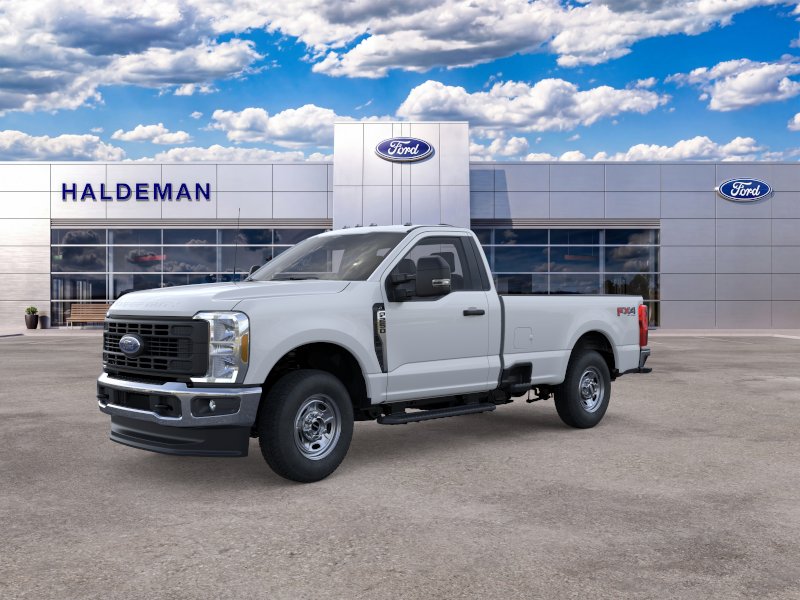
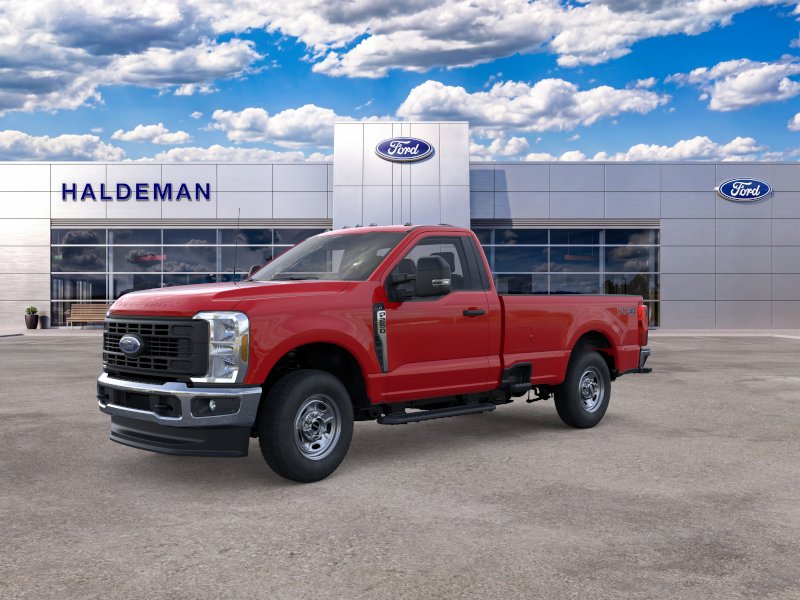
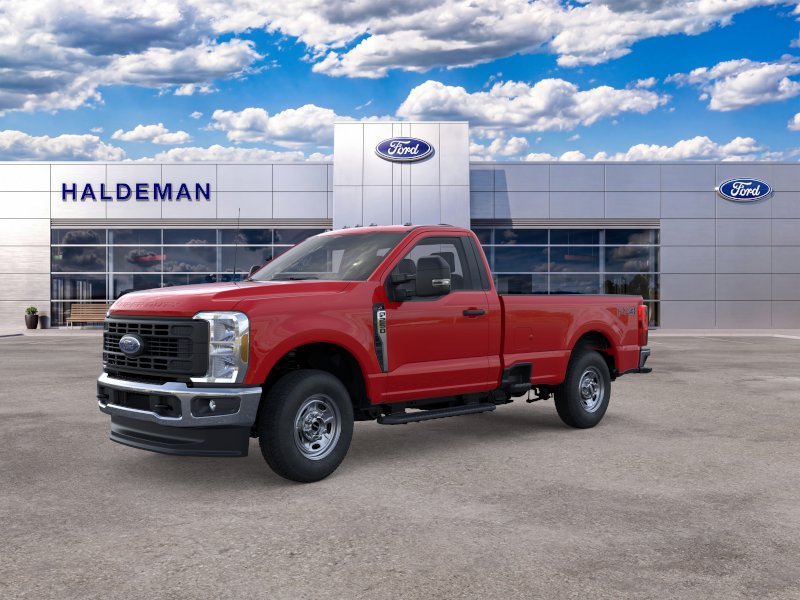
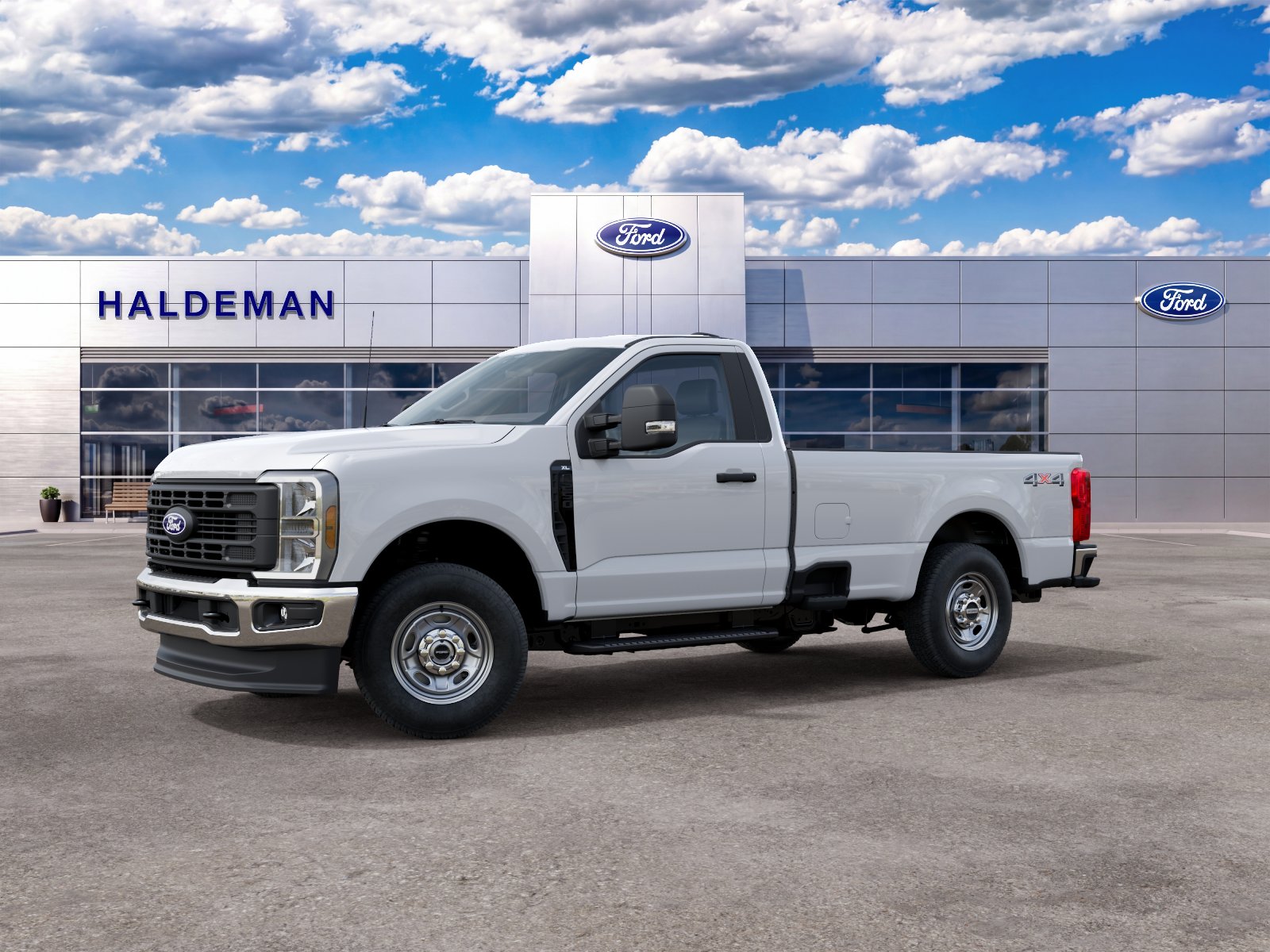
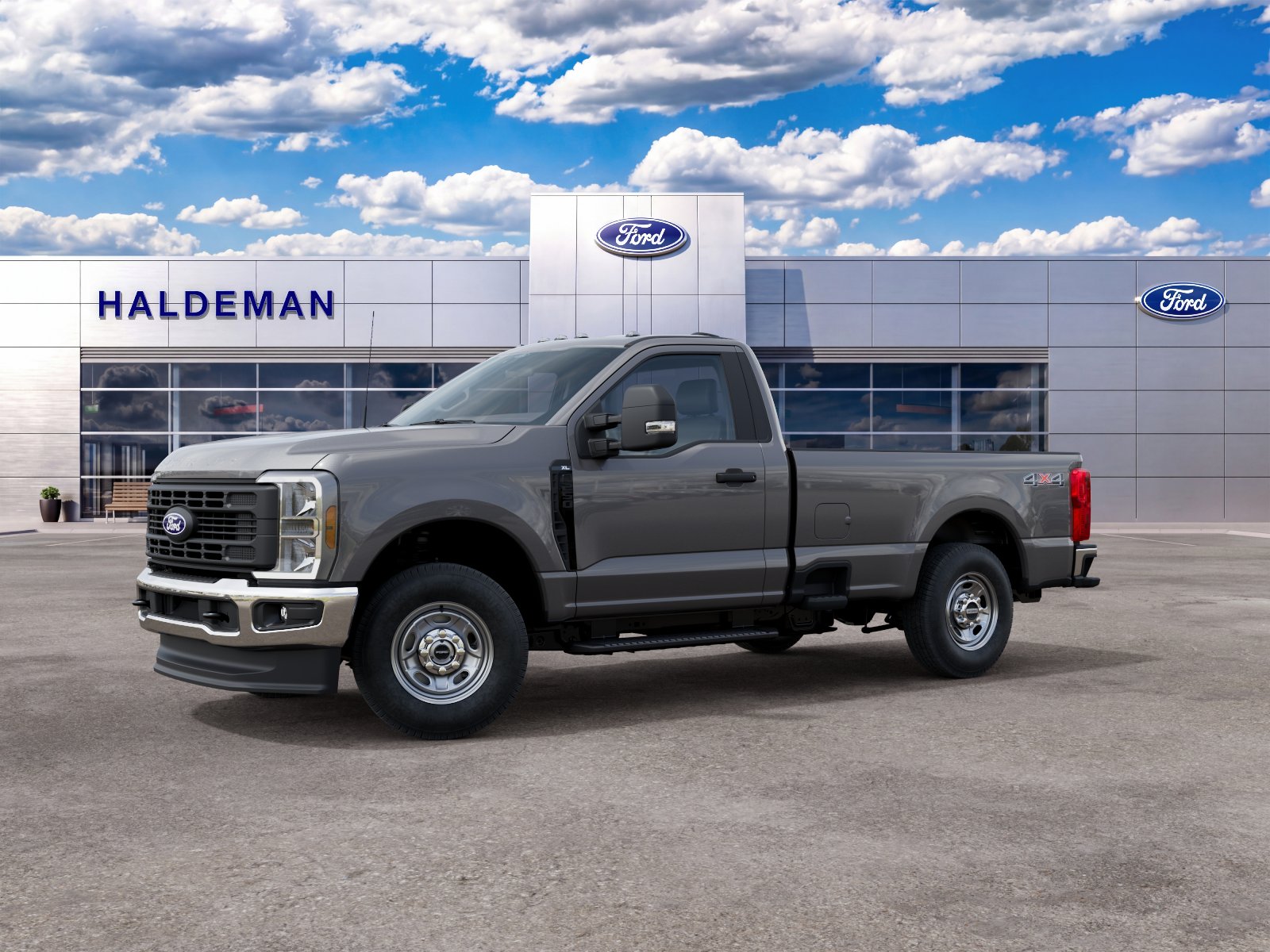
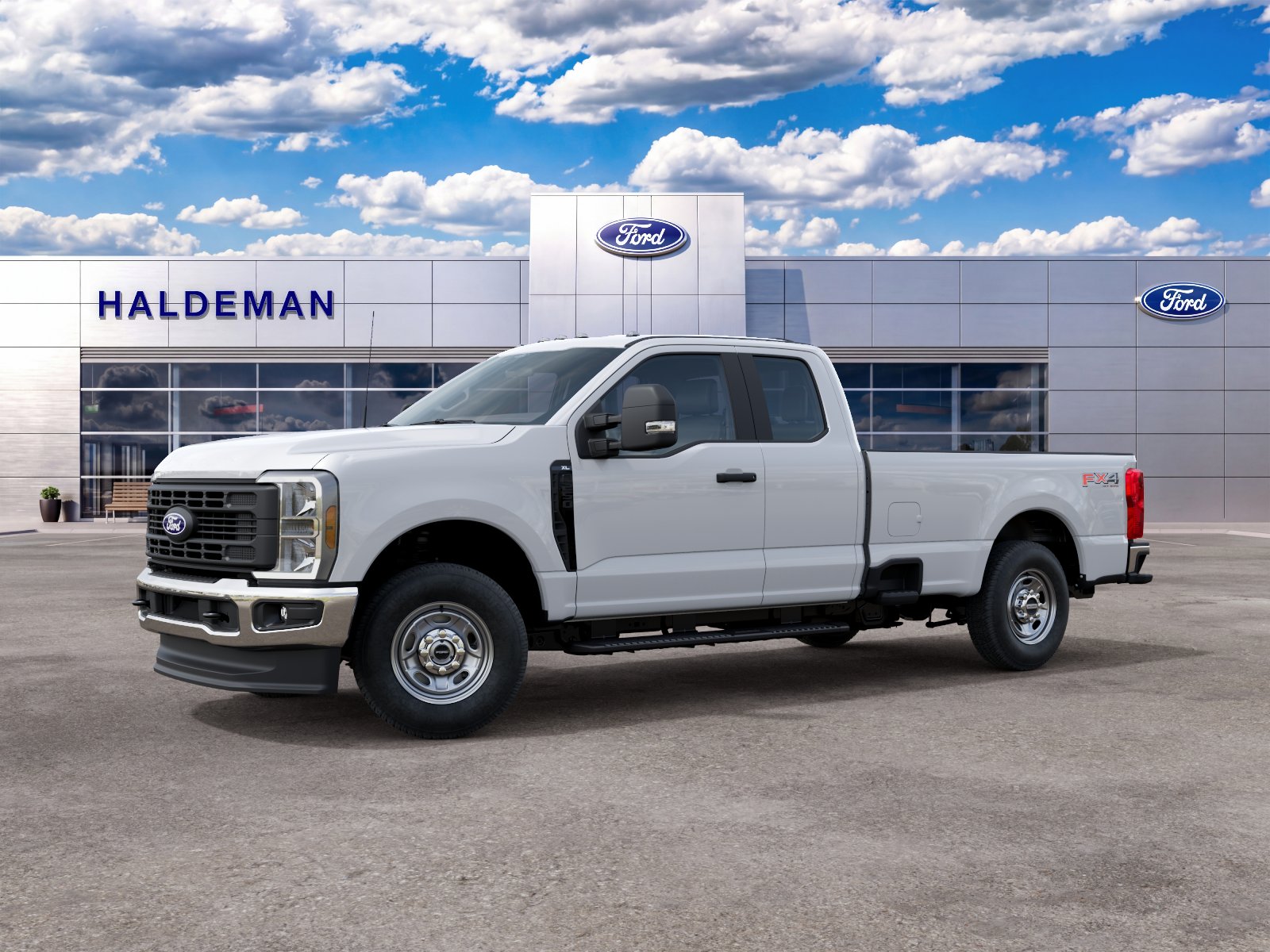
New Ford Super Duty F-250 SRW for Sale in Hightstown, NJ

Frequently Asked Questions About New Ford Super Duty F-250 SRW in Hightstown, NJ
How do I know my trailer has outgrown an F-150?
Compare the trailer's loaded weight with the ratings on your truck's door label and in its owner's guide, and remember to count passengers and gear in the bed. If the combination sits near the limit, or every trip feels tense, a Super Duty usually gives a calmer margin.
Which trailer types pair well with a single-rear-wheel F-250?
Bumper-pull and gooseneck horse trailers, utility and equipment trailers, and many travel trailers all match up with an F-250 when their weights fall within its ratings. Very large fifth-wheel campers sometimes push buyers toward an F-350 or a dually, and our staff can show you where your trailer lands.
Does an F-250 ride harshly with an empty bed?
Heavy-duty springs are built for load, so an empty Super Duty rides firmer than a half-ton, though the cabin stays quiet and comfortable for daily driving. Many owners find the difference smaller than expected after a test drive on their usual roads.
Why not go straight to a dually for horse hauling?
Duallys add stability under the heaviest loads but widen the rear, which makes parking lots, drive-throughs and tight barn aisles harder. If your trailer fits comfortably within the F-250's ratings, single rear wheels keep the truck easier to live with on the days it is not towing.
Should I size the F-250 for the trailer I own now or the one I plan to buy?
Size it for the heaviest trailer you realistically expect to pull while you own the truck. Horse owners often move up to a bigger trailer once another animal joins the barn, and a truck bought with that in mind avoids a second purchase.
Have Additional Questions?
Describe the trailer before anything else: how it hitches, what it weighs when loaded and what usually rides inside it.
Details such as a gooseneck stock trailer for weekend shows, or a flatbed carrying a compact tractor, point straight to the trucks with the right hitch prep.
A photo of the trailer's weight label or its registration card helps as well, since the figures printed there settle most questions quickly.
When the Trailer Starts Steering the F-150
Most people shopping for an F-250 around Hightstown already drive an F-150 that served them well for years. The change tends to arrive with a new trailer, such as a larger horse trailer after the family adds another animal, or a flatbed carrying a compact tractor to a neighbor's hayfield. Suddenly the half-ton feels busy on every trip, and the driver notices it long before anyone reads a spec sheet.
The warning signs are easy to recognize once you know them. The rear of the truck sags as soon as the trailer is coupled, the steering goes light in the driver's hands, and slowing at the bottom of a hill takes more planning than it used to. None of that means the F-150 failed. It means the load has moved into territory the heavier Super Duty frame, axles and brakes were designed to handle every day.
- A trailer that wobbles after a passing box truck, even with a properly adjusted hitch, often means the tow vehicle is simply too light for that load
- Rear tires that bulge and a nose that points slightly skyward once the trailer is coupled suggest the half-ton is close to the edge of its rating
- Owners who bolted on airbags or helper springs to keep an F-150 level are usually patching a gap that a heavy-duty pickup closes at the factory
Outgrowing the half-ton does not always mean selling it. Some households keep the F-150 for errands and school runs and add an F-250 purely for hauling, while others want a single truck that covers both jobs. A sales consultant can help you think through which plan suits your driveway, your budget and the trailer you pull most often.
Stepping up is less about wanting a bigger truck and more about matching the truck to what now rides behind it. In the Super Duty family, the F-250 is where that match begins.
Horse Trailers, Equipment Haulers and Campers on One Hitch
The trailer you pull shapes the F-250 you should buy. A bumper-pull horse trailer rides on the rear receiver, while a gooseneck stock trailer couples to a ball mounted in the bed above the rear axle. An equipment trailer carrying a skid steer puts its weight low and concentrated, and a tall travel trailer catches the wind across open farmland. Each of them asks something slightly different of the truck in front.
Horse owners talk about the ride as much as the pull. Live animals shift their weight as the trailer moves, so smooth starts and gentle stops matter more than raw muscle, and a planted truck keeps the horses calmer on the way to a show. People hauling machinery care more about tie-down points, ramp angles and a hitch height that keeps a loaded deck sitting level.
- A gooseneck hitch mounts through the bed floor above the axle, so ask whether a particular truck already carries the factory prep before planning an aftermarket install
- Long bumper-pull campers often settle down nicely with a weight-distributing hitch, a detail worth sorting out with the installer before the first trip of the season
- Tilt-deck equipment trailers load more easily when the truck sits at the correct height, so note the ball mount drop or rise you need before shopping
Bring the trailer's registration, or a photo of the weight label near its tongue, when you come in. The loaded weight printed there, together with how the trailer connects, tells our staff which F-250 setups make sense and whether the load belongs on an even heavier truck. A short conversation built around that label saves a lot of guessing on the lot.
Pairing the hitch style and the truck with the trailer avoids a second round of shopping later. It also keeps the people and animals riding behind you more comfortable on every trip.
Single Rear Wheels on the Farm Lanes Toward Millstone Township
Horse country around Hightstown stretches toward Millstone Township, with boarding barns, riding rings and hayfields tucked along narrow country lanes. Trucks working there squeeze past mailboxes, swing through paddock gates and back trailers up to barn doors. Single rear wheels keep the F-250 close to the width of an ordinary full-size pickup, which makes those tight spots far less stressful than they would be with a dually.
That narrower rear pays off at home and in town as well. An F-250 with single rear wheels slips into a normal parking space at the feed store and, depending on cab and bed length, many home garages. Measure the garage door opening and the depth of the bay before you shop, since a crew cab with a long bed runs longer than many buyers expect.
- Boarding barns with tight turnarounds reward a pickup that pivots without a wide rear end, especially when backing a trailer between fence posts at dusk
- A longer wheelbase steadies a heavy trailer on open roads, while a shorter one turns more tightly in a barnyard, so weigh where you spend more time
- Gravel drives and muddy show grounds make four-wheel drive a sensible choice on many F-250 builds, especially when pulling a loaded trailer up a wet grassy slope
Life here mixes the borough's small downtown with open farmland close by, and the F-250 is comfortable in both settings. It handles a weekday run to the hardware store as easily as a Saturday haul to an equestrian event, which is why many owners in the area keep it as their only truck.
Horse country tests a truck in tight corners as much as on open road. Single rear wheels keep the F-250 nimble enough for both.
Putting the Old Half-Ton Toward the Super Duty
Many F-250 buyers arrive in an F-150 that still runs well, which makes it a strong trade candidate. Haldeman Ford of East Windsor appraises the half-ton on its condition, records and mileage, and its value can go toward the Super Duty during the same visit. Trucks that towed regularly are expected to show some hitch wear, so a scuffed receiver or a worn ball mount will not surprise anyone.
Our finance team arranges loans for heavy-duty pickups the same way as for any new Ford, explaining terms and lender choices in plain language. Many buyers settle the financing questions before the test drive, which lets the visit focus on the truck, the hitch and the trailer. If any part of the paperwork reads unclear, ask again and someone will go back over that page with you.
- Bring the F-150's service receipts and any spare keys, since complete records and a second key tend to make an appraisal smoother and more favorable
- A bed cover, toolbox or hitch accessories may move over to the new truck, so decide which pieces stay with the half-ton before the appraisal begins
- If the half-ton still carries a loan, have the lender's name and the account details handy so the payoff can be arranged while you finish the paperwork
Some owners decide to keep the F-150 for daily errands and add the F-250 as a dedicated hauler. That is a reasonable choice too, and our team will sketch out what each route looks like, so the decision can wait until you have talked it over at home.
A good trade turns the truck you outgrew into part of the one you need now. It keeps the move up to heavy duty simple.
Ordering an F-250 and Keeping It Hitch-Ready
The F-250 comes in many combinations of cab, bed, drive system and equipment, so the truck parked out front is not always the one your trailer calls for. Haldeman Ford of East Windsor can search current inventory first and, when nothing matches, explain how a factory order works and what kind of timing to expect. Ordering lets you choose the hitch prep, bed length and cab you want with no compromises.
Once the truck is home, service keeps it ready for show season and hauling weekends. Regular heavy towing usually calls for the more frequent maintenance intervals described in the owner's guide, and a truck that tows often should have its fluids, brakes and tires checked on that tighter rhythm. Our service lane can schedule visits ahead of your busiest months so it gets a once-over before the trailer leaves the yard.
- Trailer wiring connectors corrode quickly when a rig sits outside near pastures and wet fields, and a quick cleaning at each service visit prevents flickering lights
- Ask the service advisor to inspect the gooseneck ball, the safety chain anchors and the receiver along with the usual brakes and tires before a long haul
- Tire pressure for towing often differs from the everyday setting, so check the door placard and the owner's guide for the loaded recommendation
Owners who haul to shows and county fairs often book a check the week before a big trip. Our technicians will tell you plainly whether anything needs attention before the trailer goes on, and they can note the trailer's needs in your file for future visits.
A well-chosen F-250 and a steady service routine let the trailer decide the truck once, not every weekend. That is the whole point of stepping up while keeping single rear wheels.
The F-250 is built for the moment a trailer outgrows a half-ton. Share your trailer details with Haldeman Ford of East Windsor, and our staff will line up single-rear-wheel Super Duty pickups set up to pull it.