New Ford Super Duty F-350 DRW for Sale in Hightstown, NJ






Frequently Asked Questions About New Ford Super Duty F-350 DRW in Hightstown, NJ
Does a dually feel different with an empty bed?
Many owners find a dually rides firm when empty, since the suspension is built for heavy loads, and the wide rear can feel unfamiliar on narrow roads at first. Most drivers settle in after a few weeks of normal use.
Can one F-350 dually pull both a fifth-wheel and a gooseneck?
Often yes, when the bed has the factory prep that accepts either hitch, since the mounting points stay the same and only the hitch hardware changes. Ask whether a specific truck has that prep before you plan around it.
How often should the six tires on a dually be rotated?
Follow the interval in the owner's guide, and expect the rotation pattern to differ from a pickup with four tires, since the rear pairs and front tires move in their own order. Some owners also swap the inner and outer tires within each rear pair to even out wear.
Will a dually fit an ordinary parking space?
It fits most marked spaces, but the wide rear fenders leave less room to open doors beside other cars. Parking garages with tight ramps deserve a careful look before you drive in, since the fenders make turns between support pillars trickier.
Should I choose a dually if the camper is heavy but I only travel a few times each season?
Weight matters more than frequency, so a heavy fifth-wheel calls for a stable truck even on occasional trips. If the truck serves as a daily driver the rest of the year, test the dually on your usual commute and errands to see whether the width suits you.
Have Additional Questions?
Show us the hitch, or a clear photo of it, and we can match a dually bed setup to it on the first try.
A picture of the camper's pin box or the gooseneck coupler, plus the label listing its weights, answers most setup questions before you arrive.
Owners who already own a bed hitch often want to know whether it moves to the new truck, and seeing the hardware is the quickest way to tell.
Why Paired Rear Tires Calm a Heavy Fifth-Wheel
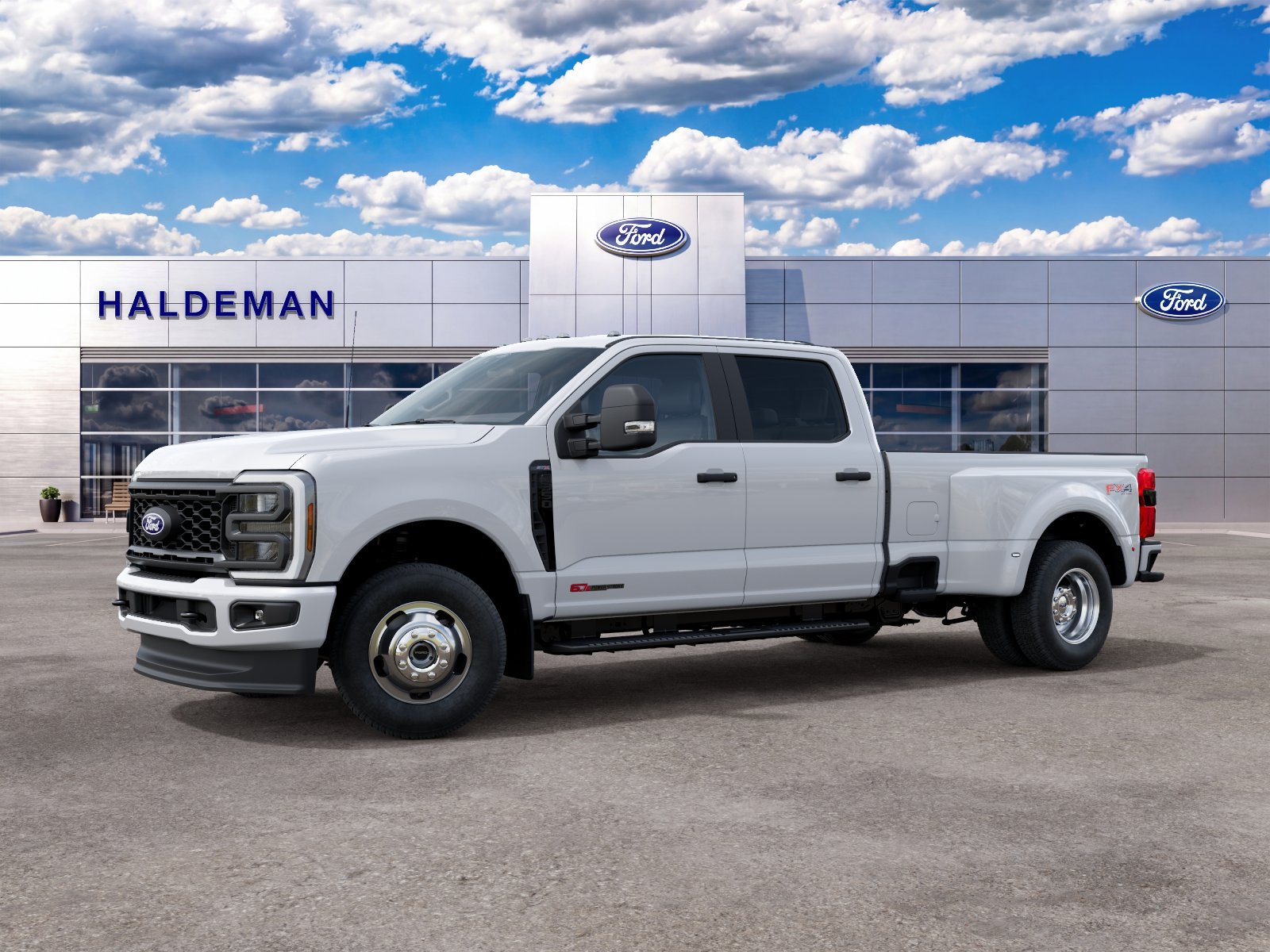
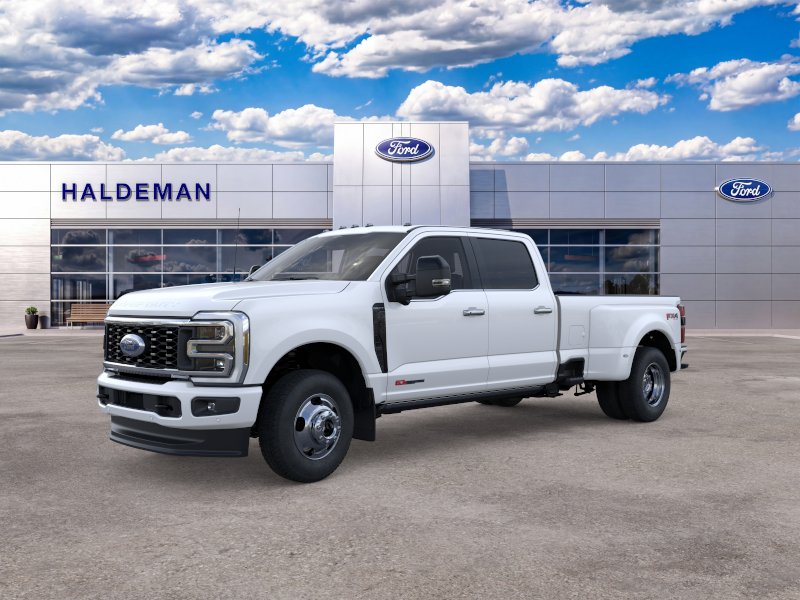
A large fifth-wheel camper or a loaded gooseneck sets a great deal of weight right over the truck's rear axle. On a Ford F-350 with dual rear wheels, that weight spreads across four rear tires set wider apart, and the broader stance resists the side-to-side rocking a tall trailer likes to start. Owners in Hightstown who move up from a single-rear-wheel truck often say the change shows in how relaxed they feel after a full day of driving.
Stability matters most in the moments nobody plans. A quick swerve around a shredded tire tread, a rough patch of pavement in the middle of a curve, or a soft shoulder on a two-lane road all try to push a tall camper off its line. Paired rear tires give the truck a wider base to answer with, so the trailer follows obediently and the driver keeps a calm grip on the wheel.
- With two tires on each rear corner, a single flat on the back axle is less likely to drop the truck suddenly, which buys time to pull over
- Tall fifth-wheel campers with several slide-outs carry their mass up high, and a broader rear stance helps keep that weight from rolling the truck on uneven pavement
- A dually usually squats less under a heavy pin weight, which keeps the headlights pointed at the road and the steering feeling settled at night
That steadiness builds confidence for people who are new to large campers. Retirees setting out on a first long trip, or families who just upgraded to a bigger fifth-wheel, often feel more at ease learning on a truck that forgives small mistakes and does not wander when a big rig rolls past.
Dual rear wheels are about steadiness under the heaviest, tallest loads you plan to pull. That steadiness is the main reason to pick this truck.
Fifth-Wheel or Gooseneck, the Hitch Decides the Setup
Fifth-wheel and gooseneck trailers both couple inside the bed, yet they connect in different ways. A fifth-wheel uses a large jaw-style hitch, a lot like the one on a tractor-trailer, and shows up on most big campers, while a gooseneck uses a ball and coupler and appears more often on livestock and equipment trailers. Many dually owners tow one style today and switch to the other a few years later.
Each hitch has its own habits once it is in the truck. A fifth-wheel head takes up a good share of the bed and usually lifts out with some effort and a helper, while a gooseneck ball can often flip over or drop below the floor and leave the bed nearly clear. Owners who haul firewood, mulch or tools between camping trips tend to notice that difference quickly.
- Gooseneck couplers are quick to hook up alone, which helps owners who drop and collect equipment or stock trailers several times in one day
- Ask whether a given truck already carries the in-bed hitch prep from the factory, since adding mounting points later means drilling and extra shop time
- Safety chains on a gooseneck need sturdy anchor points in the bed, while a fifth-wheel relies on its locking jaws, so each style deserves its own pre-trip check
Our staff at Haldeman Ford of East Windsor can show you both setups with the tailgate down and point out which trucks on the lot already have the prep you need. Seeing the hardware in the bed, along with where the hitch sits over the axle, usually settles the choice faster than any brochure, and it gives you a clear idea of what installation involves.
The hitch you choose shapes everything from the bed layout to how quickly you can hook up alone. Settling it first makes picking the right dually much simpler.
Six Tires on Long Turnpike Hauls
Long hauls down the New Jersey Turnpike add hours of steady heat to every tire, and a dually carries six of them. The two tires on each rear side work as a team, so they need matching size and similar tread depth; a mismatched pair forces one tire to carry more than its share. Before a long trip with the camper, a careful look at all six pays off many times over.
Gravel campground roads bring their own hazard, because stones can wedge between the paired rear tires and chew at the sidewalls if they ride there for long. A quick walkaround at each fuel stop catches that early. When it is time for new rubber, many owners replace the rear tires as a group so each pair stays evenly matched for the next season.
- Ask the tire shop whether it works on dual rear wheels routinely, since mounting and balancing a dually takes equipment and experience that some quick-service shops lack
- A spare that matches the rear set matters more on a dually, because pairing an odd tire with a worn partner throws off how the two share weight
- Wheel nuts should be rechecked after any tire work, a step the owner's guide describes and one worth confirming before a trip down the Turnpike
The service department at Haldeman Ford of East Windsor handles dually tire rotations, alignments and inspections, and can line up a check before camping season begins. Owners planning long runs on the Turnpike toward family or a favorite campground often book that visit a week or so ahead, which leaves time to order a tire if one needs replacing.
Six tires are a fair trade for the stability they deliver. They simply ask for a slightly more careful routine from the owner.
Living With the Wide Rear Fenders Around Town
The rear fenders on a dually stand out past the cab, and that width follows you everywhere. Standard parking spaces feel snug, drive-through windows require a careful line, and some automatic car washes cannot accept dual rear wheels at all. Most owners adapt quickly by parking at the far edge of lots and keeping a short mental list of places that suit the truck.
At home, measure the garage door and make sure the driveway leaves room to open doors beside the wide rear. Some owners in neighborhoods around Hightstown find the dually lives most comfortably in the driveway, with the garage left for a smaller car. Neighbors with narrow shared driveways appreciate a heads-up before the first time you back it in.
- Touchless washes, hand washes and self-serve bays usually handle a dually more easily than conveyor tunnels that guide one rear tire along a track
- Extended towing mirrors help a driver see past both the wide fenders and the camper, and they fold back in for tight parking spots at home
- Backing into a campsite with a dually goes smoother with a spotter at first, since the rear fenders sit farther out than drivers used to single wheels expect
The trade-off pays when the trailer is large and heavy, and much less when the truck spends most days empty. Thinking clearly about how often the camper or gooseneck is actually hitched is the fairest way to judge whether the extra width belongs in your driveway.
Width is the price of stability on a dually. Planning around it keeps daily errands easy and the truck ready for the next trip.
When Duals Earn Their Place Over Single Rear Wheels
Seen from the dually side, the question is simple: does the load you pull most often need the steadiness and higher rating that paired rear tires bring? Big fifth-wheel campers, loaded goosenecks and frequent long hauls point toward the DRW. Lighter trailers, and slide-in campers that ride mostly in the bed, often suit a single-rear-wheel F-350, and our staff will tell you so.
Trading in the truck that pulled your previous camper is common when stepping up to duals. Haldeman Ford of East Windsor appraises it on condition and service records, then applies that figure to the dually during the same visit. Our finance team then explains the loan options for the dually in clear terms, so you leave knowing exactly how the purchase is arranged.
- Owners moving up from a single-rear-wheel pickup can bring along details of their bed hitch to discuss whether it fits the new truck
- Have the camper's paperwork with its loaded weight on hand, since that figure guides the choice between duals and singles more than anything else
- Service records and a clean history report support an appraisal, especially on a pickup that spent years towing a heavy trailer behind it
Some buyers finance the dually and keep the old truck for local chores, while others fold everything into one purchase. Either approach works, and our team will lay out both clearly so the decision fits your household and your travel plans. Keeping a second vehicle also means camper weekends never wait on errands the daily driver still has to run.
Dual rear wheels earn their width every time a heavy camper or gooseneck is hitched. That calm, planted feel on a long haul is what this truck is for.
A dually earns its keep the day a heavy camper rolls out behind it. Share the trailer details and a photo of your hitch with Haldeman Ford of East Windsor, and our truck staff will set out F-350 DRW pickups ready for that load.