New Ford Transit Cargo Van for Sale in Hightstown, NJ






Frequently Asked Questions About New Ford Transit Cargo Van in Hightstown, NJ
How do I choose between roof heights for a Transit Cargo Van?
Ask who will spend time inside the van and how tall they are, since a crew that works at its shelving all day feels the difference most. A quick check is to stand inside a van of each height here wearing the boots you work in.
Do shelving companies make kits sized for the Transit?
Many interior equipment makers offer shelving, drawers and partitions designed for specific Transit roof and length combinations. Kits made for the exact van size are designed around its factory mounting points, which usually makes installation quicker and cleaner than custom work.
Will my hand truck or dolly fit through the side door?
Most standard hand trucks fit through the side and rear openings, but wider carts and appliance dollies are worth measuring against the door opening before you buy. Bring the cart along on a visit and test the angle you will use at real stops.
How often should a fleet of cargo vans be serviced?
It depends on the duty, and vans that idle at stops or carry heavy loads usually belong on the owner's guide schedule for severe use. Our advisors can review your mileage and route type and suggest an interval that fits.
Can I see a cargo area with shelving already installed before deciding?
When an upfitted unit is in stock, you can walk through it and see how the shelving uses the space. If not, upfitter catalogs and photos of finished vans show how different layouts fill the same roof height and length.
Have Additional Questions?
Walk us through a typical day: what goes into the van in the morning, where it stops and what comes back out by evening.
That picture shows our commercial staff whether standing room, long floor space or easy curbside access matters most to your work.
Photos of your current van's interior, cluttered or organized, help just as much as a list of what you carry.
Planning the Cargo Area in Zones
A well-planned Transit Cargo Van interior usually splits into three zones. The space just inside the rear doors holds whatever comes out most often, the stretch behind the side door gives quick reach to parts in the middle of a job, and the deep area behind the seats keeps heavy, rarely used stock low and forward. Businesses in Hightstown that plan this way spend far less time digging.
Those zones also decide what hardware goes where. Drawers and small bins work well beside the side door, where a technician can reach in without climbing aboard. Tall shelving belongs along the walls once you know how much headroom the van gives you, and a bulkhead between the seats and the cargo area keeps loose items from sliding forward under hard braking.
- Heavy stock such as fittings, fasteners or buckets of tile adhesive rides better low and between the axles, which keeps the van steadier through turns and ramps
- A rubber or composite floor covering protects the factory floor from dropped tools and makes sweeping out sawdust or packing debris much quicker at the end of a shift
- Ceiling lights over the shelving matter on dark winter afternoons, and some upfitters add extra fixtures so bin labels stay readable long after sunset
Couriers and parcel drivers often want the opposite of a tradesperson's layout. They need open floor for boxes and totes, perhaps one shelf along a single wall, and a clear path from the side door to the rear. Jotting down what actually rides in the van on an ordinary day is the quickest way to learn which layout yours should follow.
The empty shell is only a starting point. What turns it into a working tool is a layout planned around the things you reach for most.
Choosing the Shell Around the Shelves
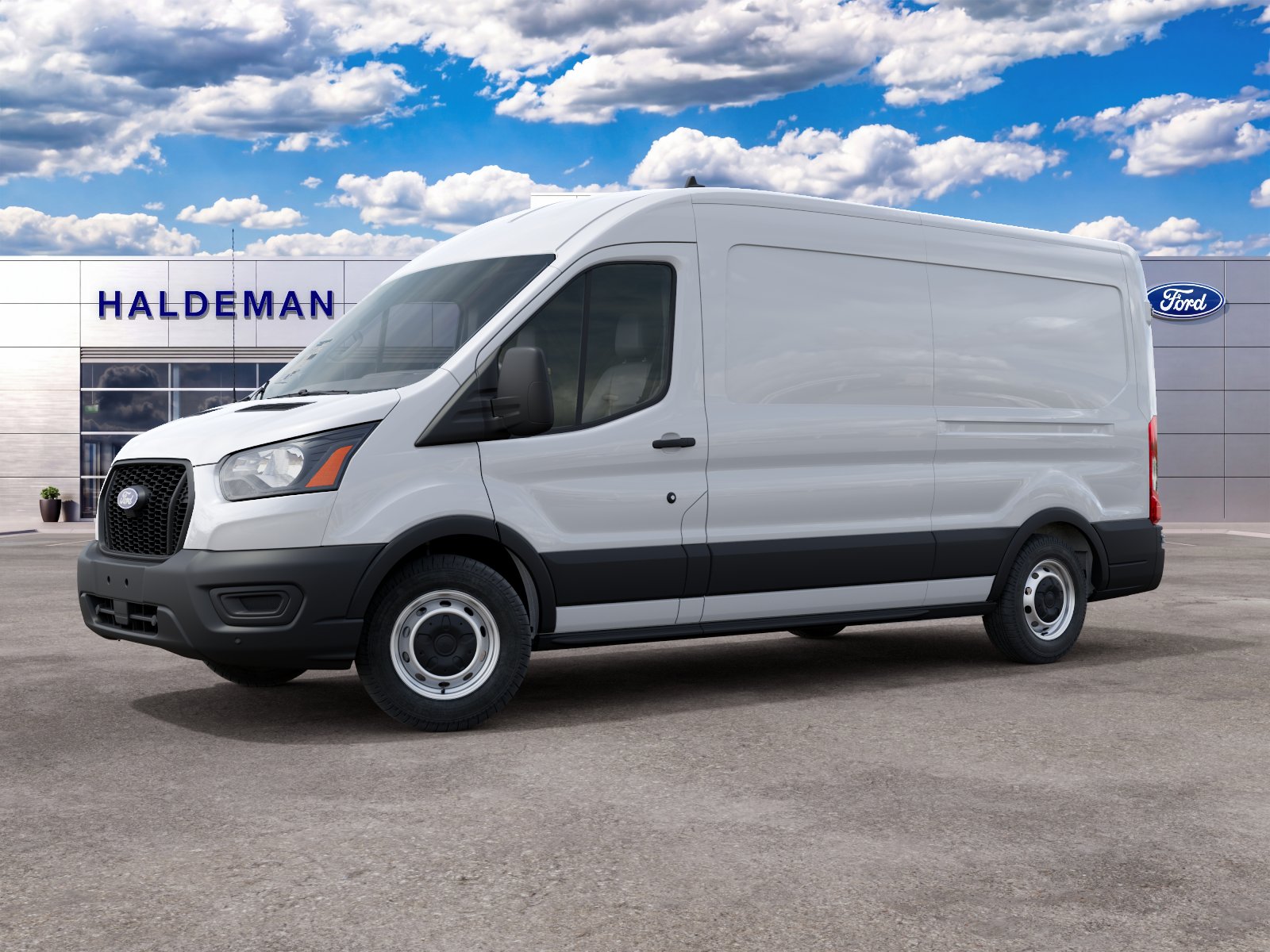
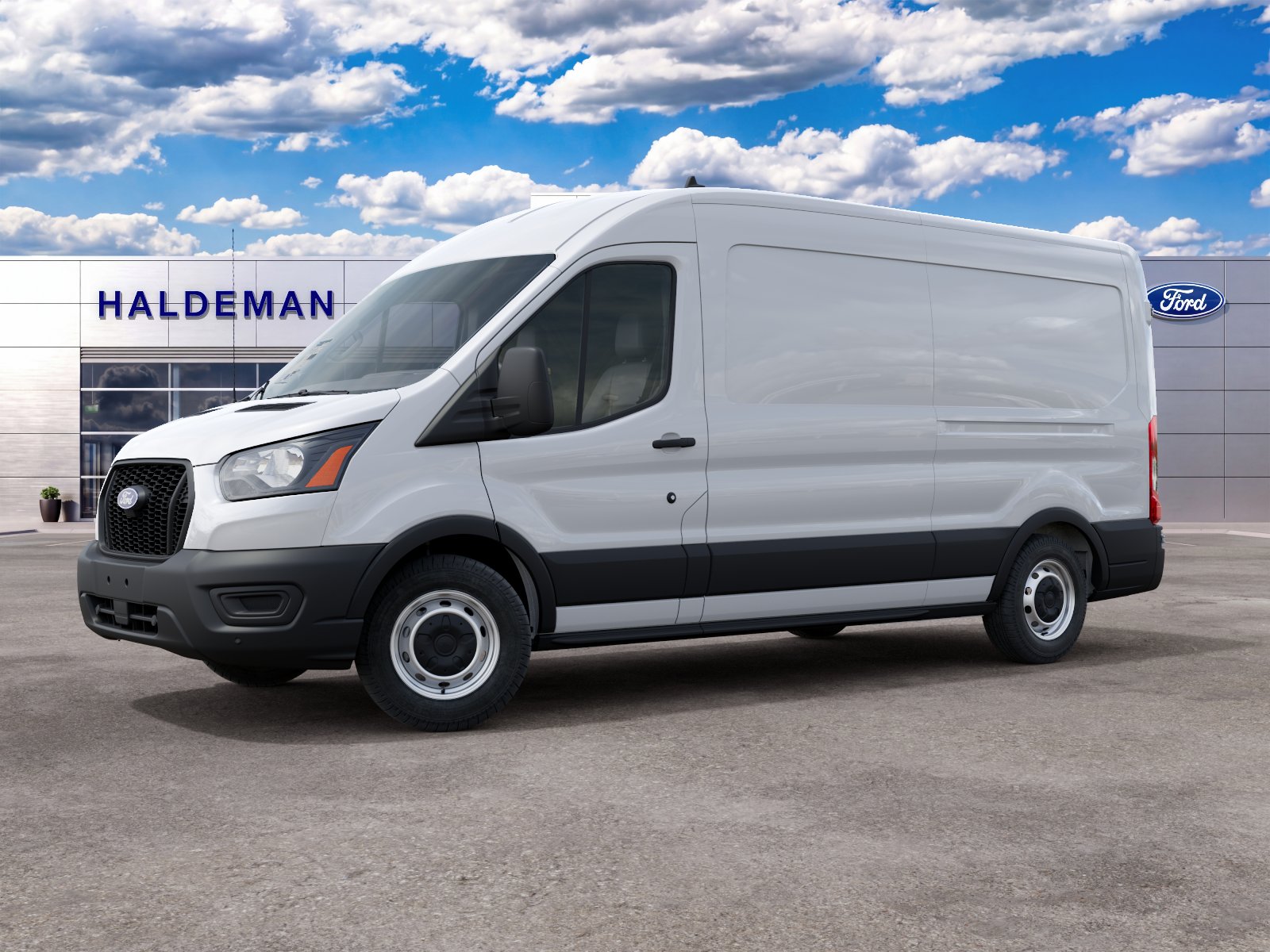
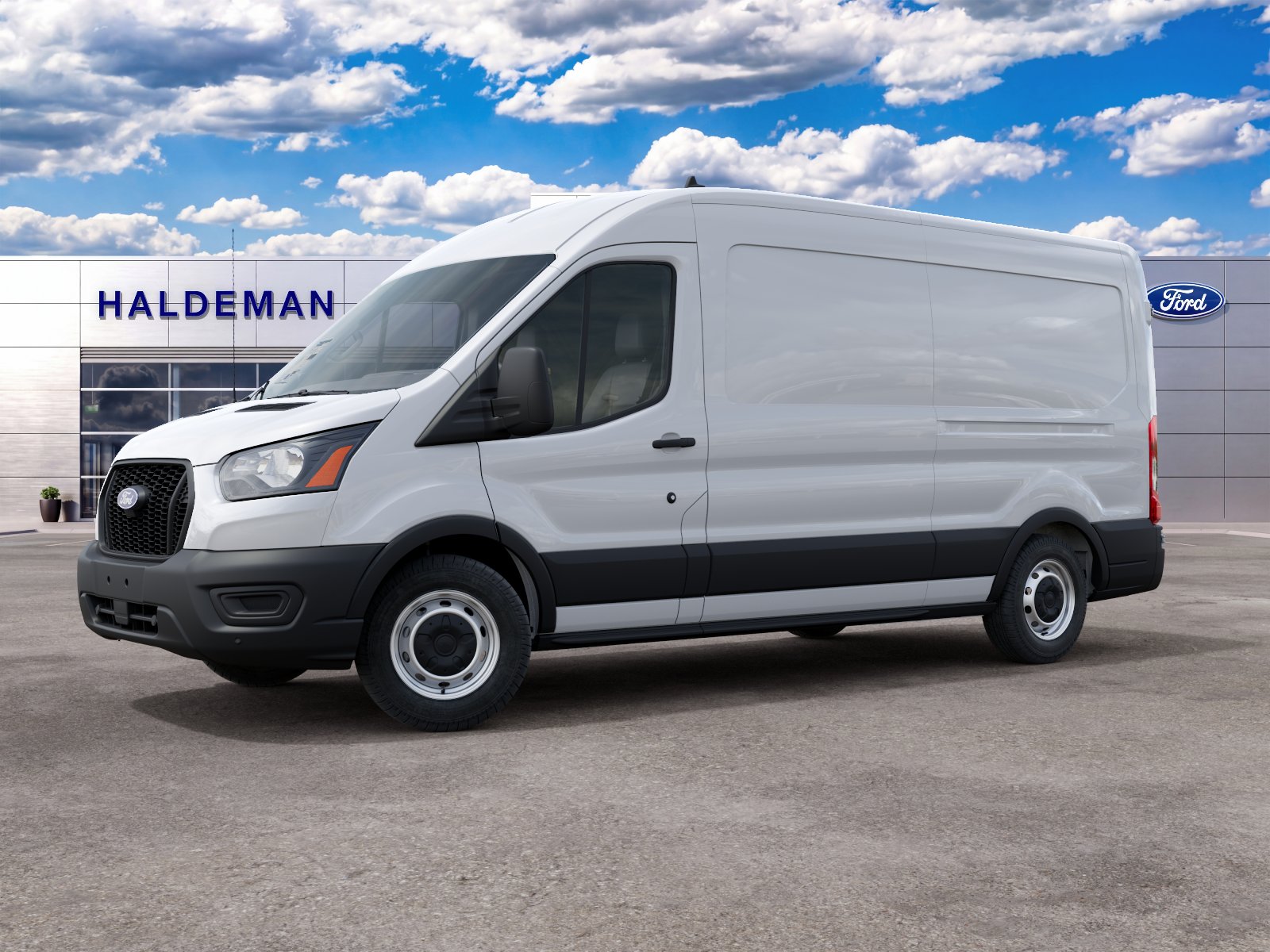
Ford builds the Transit Cargo Van in more than one roof height and body length, and the smart order is to let the layout pick the shell. A lower roof slips into parking garages and under drive-through canopies, while a taller roof lets you work standing upright. Longer bodies add floor for pipe, trim and rolled goods that would otherwise end up strapped to the roof.
Our inventory at Haldeman Ford of East Windsor holds a changing mix of heights and lengths, so knowing your priorities before a visit saves time. When the exact pairing you want is not on hand, a factory order is a common next step and we share Ford's timeline once it arrives. Standing a lower van beside a taller one in our lot often answers the roof question quickly.
- A low roof leaves the top of the van open for a ladder rack, which suits painters and gutter installers who prefer their ladders outside the cargo area
- A tall roof lets a technician stand at a bench built into the van, turning the cargo area into a small mobile shop on rainy or freezing days
- Longer bodies help flooring installers, crews pulling conduit and anyone else who would otherwise carry long material on a roof rack in all weather
Height also limits where the van can go. Before settling on the tallest roof, check the clearance at your own garage, at the job sites you visit most and at any parking decks on your regular routes. A van that cannot fit into a customer's garage means a long walk with every armload of supplies.
The right shell fits both your layout and the places you park. Getting both on paper before shopping keeps the decision simple.
Loading Access on Route 133 Delivery Runs
Delivery drivers making stops off Route 133 and the roads feeding it load and unload all day, so door access becomes a constant concern. Rear doors that swing wide let a hand truck reach the floor squarely, and the sliding side door lets a driver grab a package from the curb without walking around to the back. Both openings deserve a close look on any van you consider.
Load floor height, the spot where grab handles sit and whether there is a rear step all affect how tired a driver feels by the end of a route. Some businesses add a pull-out ramp for carts, while others pick a roller floor for parcels. Haldeman Ford of East Windsor can open every door on a van here so you can picture your own loading routine in it.
- A rear step bumper and grab handles at each opening make the climb into the cargo area safer for drivers who hop in and out at nearly every stop
- Side doors that open onto the curb keep drivers out of moving traffic, which matters on busy streets where parking in front of a customer is rarely possible
- Load straps and floor tie-downs stop carts and cartons from shifting during sudden stops, protecting both the goods and the van's inner wall panels
Financing a cargo van often covers the shelving and racks as well, and our finance office can explain how upfit equipment is documented along with the vehicle. Business buyers should bring the details of the company the van will be titled to and any quotes for interior equipment, so the paperwork reflects the complete working van.
Doors and floor are the parts of a cargo van that get the most use. Planning them around your route makes every stop a little quicker.
Turnpike Miles With a Loaded Van
A cargo van shuttling between job sites on the Turnpike handles differently once it is full. Taller roofs catch more crosswind, and a heavy load behind the seats changes how the van brakes and settles over bumps. Drivers coming from smaller vehicles usually adjust within a few days, especially once they learn to leave extra room in front of them.
Mirrors and camera views become a driver's main tools for backing up and changing lanes, since shelving leaves little or no view through the rear doors. On a test drive, set the mirrors carefully and practice backing into a spot shaped like the ones at your regular stops. That short exercise reveals more than any brochure.
- Secure everything before highway driving, because a loose toolbox at speed can shift hard enough to bend shelving or dent the side walls of the cargo area
- Drivers new to tall vans should check drive-through and bank canopy heights before pulling in, since a high roof can catch an overhang that a car clears easily
- Appraisers looking at an older van with worn shelving consider both the vehicle and whether its interior equipment could be reused by the next owner
Trading in that older van at Haldeman Ford of East Windsor can happen during the same visit as your new purchase. Bring maintenance records and a list of any equipment you plan to remove, since stripped shelving and brackets can leave holes in the walls that an appraiser will notice and weigh.
A loaded van on a busy highway asks for a little extra care from its driver. Choosing the right size and setting up the interior thoughtfully makes those miles easier.
Keeping Fleet Vans in Working Order
Upkeep for cargo vans should follow how the vans are actually used. Short trips with frequent stops wear brakes faster, and vans carrying heavy loads every day put extra strain on suspension and tires. Our service department can build a schedule that matches how your vans work, then adjust it as the mileage records come in.
Businesses running several Transit Cargo Vans around Hightstown can ask about staggering service visits so only one van is off the road at a time. A shared maintenance log also shows whether one driver's van is wearing differently from the rest, which can point to a loading habit worth correcting before it costs a set of tires.
- Tires on a van that runs loaded give out sooner than those on a lightly used one, so regular pressure checks and rotations help stretch their working life
- Hinges, latches and sliding door tracks see constant use on delivery vans, and keeping them adjusted prevents rattles, sticking doors and water leaks
- Shelving bolts and floor fasteners can loosen with vibration over time, so a quick check during routine service keeps the interior solid and quiet
A cargo van that stays on the road keeps the whole business moving. Regular service, attention to the cargo area and prompt repairs when something goes wrong all help a van last through years of daily use without surprises.
The cargo area is the reason you bought the van. Keeping it organized, secure and well maintained protects the work that happens inside it every day.
A Transit Cargo Van works hardest when its interior is planned around the job. Share your layout ideas with Haldeman Ford of East Windsor, and our team will help match them to a roof height and length that fit.